Patchwork Brain Today Hand Lettering Review
As a designer who has spent years translating digital art into tangible thread, I approach every new machine embroidery design with a mix of excitement and skepticism. The gap between a crisp vector file on a screen and the final stitched result on fabric is where many projects fail. That is why my review of Patchwork Brain Today Hand Lettering focuses less on the file specs and more on how this specific graphic will behave in a real-world production environment. This piece falls under the category of Illustrations and Graphics, but its true value lies in its potential as a commercial asset for crafters and small business owners.
The Visual Mood and Design Intent
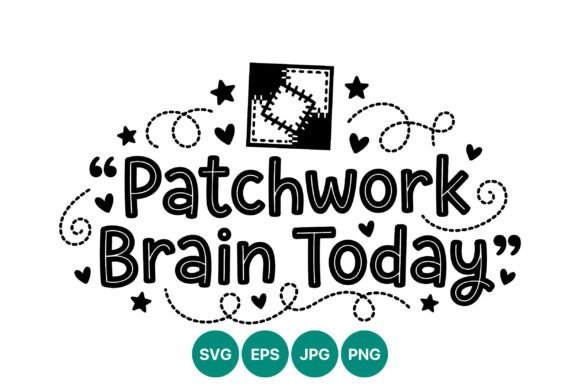
At first glance, Patchwork Brain Today Hand Lettering captures a distinct aesthetic that blends modern typography with a nostalgic, handmade feel. The black and white hand lettering quote is the anchor, but it is the surrounding elements—the stitched fabric patch, swirling dashed lines, stars, and hearts—that give it personality. The vector art style suggests clean lines, which is promising for digitization, but the "patchwork" motif implies texture. In the world of embroidery project planning, this combination signals a design meant to evoke creativity, mental agility, or perhaps a quirky sense of humor.
When I visualize this as a finished product, I see it working exceptionally well on items that benefit from a bit of whimsy. It feels like a design created for someone who appreciates the "maker" culture. The inclusion of dashed lines and hearts suggests a playful energy, making it suitable for holiday embroidery gifts, personalized notebooks, or even a unique addition to a boutique's seasonal collection. However, the visual density requires careful consideration regarding stitch types. Will the "stitched fabric patch" element be rendered as an actual applique design, or will it be simulated using fill stitch? This distinction will drastically change the look and feel of the final item.
Real-World Application: A Custom Tote Bag Scenario
To truly test the viability of Patchwork Brain Today Hand Lettering, let’s imagine a specific scenario: preparing a custom embroidered tote bag for a local craft fair. Tote bags are a staple for any Etsy seller or small shop product line because they are practical, visible, and versatile. If I were to use this design on a natural canvas tote, the black and white contrast would pop beautifully against the beige background. The hand lettering would likely require a satin stitch or a tight running stitch to maintain legibility, while the decorative stars and hearts could utilize fill stitches to add volume without overwhelming the fabric.
In this context, the design serves as a conversation starter. A customer picking up this bag might appreciate the "patchwork brain" concept as a nod to their own creative struggles or triumphs. The swirling dashed lines add movement, preventing the design from feeling static. For a handmade product like this, the perceived value increases significantly when the stitching looks intentional and high-quality. If the digitization of the embroidery file is done correctly, the result is a premium-looking accessory that justifies a higher price point than a simple screen-printed alternative.
Sweatshirts and Apparel Considerations
Moving beyond totes, consider the application of Patchwork Brain Today Hand Lettering on custom apparel like sweatshirts. Here, the challenge shifts to fabric texture and stretch. Sweatshirt fleece has a nap and can distort slightly during hooping. The detailed corners of the lettering and the intricate swirls need to be checked for stability. If the stitch density is too high in the central patch area, it could cause puckering on a thick cotton blend. Conversely, if the density is too low, the design might look sparse once the fabric relaxes after washing.
For sweatshirt embroidery, I would recommend testing the design on a scrap piece of the exact same fabric first. This allows you to verify that the stabilizer choice supports the weight of the thread. Since the design features black and white elements, thread colors become critical. Using a high-quality polyester thread ensures longevity, especially for items that will be washed frequently. The "patchwork" element of the design could actually work as a visual trick to hide minor imperfections in the fabric, making it a forgiving choice for textured garments.
Navigating Challenges and Limitations
While Patchwork Brain Today Hand Lettering is visually appealing, there are scenarios where it should be used with caution. The description mentions "tiny lettering" within the phrase, which is a red flag for smaller hoop sizes. If you attempt to scale this down for a cap or a small embroidered patch, the legibility of the hand lettering may suffer. The swirling dashed lines and hearts, if too small, could merge into a single blob of thread rather than distinct shapes.
Furthermore, dark fabrics present a specific challenge. While the design is described as black and white, placing white thread on a black garment requires significant coverage to avoid the background showing through. This often necessitates a backing layer of light-colored fill stitch, which increases the overall hoop size requirements and thread consumption. For commercial embroidery runs, this added time and material cost must be factored into your pricing. Additionally, on very thin or sheer fabrics, the weight of the dense areas—particularly the simulated patch—could cause the material to sag or tear over time.
Design Integrity on Curved Surfaces
Curved surfaces, such as the brim of a hat or the neckline of a shirt, demand a different approach. The straight lines of the lettering in Patchwork Brain Today Hand Lettering might warp if not properly adjusted for the curve. When reviewing the digital embroidery file, ensure that the software allows for adequate compensation. If you are selling this as a personalized gift on a curved item, the risk of distortion is higher. Always prioritize flat surfaces like pillow covers, aprons, or tea towels for the best presentation of this specific graphic.
Practical Designer Notes for Success
Before committing Patchwork Brain Today Hand Lettering to a client order or a batch of inventory, follow these essential steps to ensure professional results:
- Test on Scrap Fabric: Never skip the test run. Stitch out the design on a piece of fabric identical to your final product to check for tension issues and alignment.
- Verify Hoop Size: Confirm that the design fits comfortably within your available hoops, leaving enough room for the needle to move without hitting the frame.
- Check Thread Contrast: Ensure the black and white elements have sufficient contrast against your chosen fabric. Test both light and dark backgrounds.
- Inspect Small Details: Zoom in on the digitized file to ensure the dashed lines and tiny hearts are not so small that they get lost in the stitching process.
- Use Proper Stabilizer: Given the mix of text and decorative elements, a cut-away stabilizer is often safer for knits, while a tear-away might suffice for wovens.
- Review Licensing: Before selling finished items or using the design for commercial embroidery, confirm the license terms included in the ZIP folder. Do not assume you can sell the digital file itself unless explicitly permitted.
Impact on Brand and Customer Perception
Ultimately, the success of Patchwork Brain Today Hand Lettering comes down to execution. When done right, this design elevates a standard item into a collectible piece. For a craft business, offering unique designs like this builds brand consistency and trust. Customers looking for personalized products want something that feels thoughtful and well-made. The "patchwork brain" theme resonates with a demographic that values creativity and individuality, making it a strong candidate for boutique branding.
If you are creating printable mockups to showcase this design online, ensure the images reflect the texture of the thread. A flat image might not convey the depth of the "stitched fabric patch" effect. High-quality photos of the actual finished product are crucial for buyer engagement. By taking the time to evaluate the technical aspects of this embroidery file and applying it thoughtfully, you can create a range of items—from baby embroidery accessories to adult apparel—that stand out in a crowded market.
In conclusion, Patchwork Brain Today Hand Lettering is a versatile asset for designers willing to pay attention to detail. It offers a charming aesthetic that translates well to various mediums, provided the technical constraints of stitch density and fabric choice are respected. Whether you are a hobbyist making a one-off gift or a digital product seller expanding your catalog, this design has the potential to deliver high value and visual appeal when handled with care.