My Cooking is Awesome SVG: A Designer's Review
As a designer who has spent years turning digital concepts into tangible stitched goods, I approach every new asset with a mix of excitement and skepticism. The market is flooded with generic T-Shirt Designs, but finding a piece that balances humor, clarity, and technical viability is rare. Recently, I evaluated the My Cooking is Awesome SVG file to see if it holds up under the scrutiny of a real-world embroidery project. This isn't just about whether the graphic looks good on a screen; it is about how it translates when needle meets thread.
The First Impression: Typography Meets Kitchen Humor
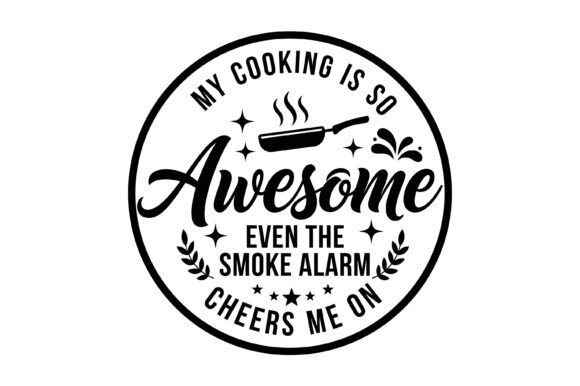
When you first open the My Cooking is Awesome SVG file, the mood is immediately established. It leans heavily into the "Chef Smoke Alarm" trope—a relatable, self-deprecating joke that resonates with home cooks and culinary enthusiasts alike. Visually, the design relies on bold typography rather than intricate illustrations. For an embroidery application, this is often a blessing. Complex imagery can get lost in stitch density, but strong lettering tends to read clearly even from a distance.
The layout suggests a playful energy, making it an ideal candidate for kitchen-themed gifts or apparel. However, as a professional reviewer, my eyes immediately go to the kerning and the curve of the letters. In a machine embroidery design, tight curves in text can sometimes cause thread bunching if the stitch density is not optimized. The visual personality here is confident and fun, perfectly suited for a handmade product intended to bring a smile to a customer's face.
Real-World Application: From Digital File to Stitched Reality
To truly test the My Cooking is Awesome SVG, I imagined a specific scenario: creating a custom embroidered apron for a boutique shop specializing in kitchenware. Aprons are a staple for Etsy sellers and craft fair vendors, but they require designs that can withstand frequent washing and heavy use. I also considered using this as a chest pocket logo on a heavyweight sweatshirt, a popular item for custom apparel.
In the context of a sweatshirt embroidery project, the bold nature of the Graphics works in its favor. Fleece and cotton blends have a texture that can sometimes swallow delicate details, but the thick lines of this quote should stand out well. If I were to convert this into an embroidered patch, the simplicity of the design would ensure clean edges and minimal fraying over time. The versatility of the provided formats—SVG, PDF, JPEG, PNG Transparent, EPS, and AI Editable files—means I can manipulate the size without losing vector integrity before sending it to the digitizing software.
For a tote bag design, the placement becomes critical. Tote bags are often made of canvas, which is forgiving but requires a sturdy stabilizer to prevent puckering. The My Cooking is Awesome SVG would likely look best centered on the front panel, perhaps framed by a simple border to contain the text. The humor adds value to the product, transforming a basic utility item into a conversation starter, which is exactly what drives sales for a small shop product.
Navigating Technical Challenges and Fabric Textures
While the design is promising, there are areas where caution is required. One of the biggest pitfalls in commercial embroidery is ignoring fabric texture. If you attempt to stitch this design on a thin, stretchy fabric like jersey knit, the tension from the needle could distort the text, making "Awesome" look warped. Similarly, on dark fabrics, the contrast of the thread colors becomes paramount. A light-colored fill might not pop against black denim without a solid backing or a satin stitch outline.
Another consideration is the hoop size. While the file is scalable, shrinking the design too much for a cap or a baby onesie can render the text illegible. Tiny lettering in machine embroidery often results in messy stitching where individual characters blur together. I would advise against using this specific typography for anything smaller than a 4x4 inch hoop unless significant adjustments are made to the font weight. Additionally, curved surfaces like baseball caps require careful digitizing to ensure the text follows the contour without breaking the stitch path.
Dense stitch areas can also be an issue. If the digitizer packs the fill stitches too tightly, the back of the fabric can become stiff and uncomfortable. For a baby embroidery project, comfort is non-negotiable. The design must be adjusted to allow the fabric to breathe, perhaps by reducing the density of the fill stitch while maintaining the definition of the letters.
Practical Notes for the Professional Maker
If you decide to incorporate My Cooking is Awesome SVG into your workflow, follow these practical steps to ensure a high-quality finished product:
- Test on Scrap Fabric: Never skip the test run. Stitch the design on a scrap piece of the actual fabric you intend to use. This reveals issues with thread colors and tension before you commit to a client order.
- Check Contrast: Visualize the design in black and white mockups first. If the text disappears against the background in grayscale, it will likely fail in color too.
- Select the Right Stabilizer: For textured fabrics like towels or fleece, a tear-away stabilizer might not provide enough support. Consider a cut-away or wash-away mesh to keep the stitches flat and crisp.
- Review Licensing: Since this is a digital asset, confirm the license terms before selling finished items. Ensure you have the right to sell products featuring this design as part of your craft business.
- Inspect Small Details: Zoom in on the corners of the letters. Sharp angles can sometimes result in thread breaks or loose ends during the stitching process.
Final Verdict: A Solid Asset for Kitchen-Themed Collections
The My Cooking is Awesome SVG is more than just a funny quote; it is a functional asset for designers who understand the nuances of textile decoration. Its strength lies in its readability and thematic relevance, making it a perfect fit for holiday gifts, wedding favors, or personalized kitchen accessories. However, its success depends entirely on the execution. By respecting the limitations of different fabrics and taking the time to adjust the digital embroidery file for specific applications, you can create a product that customers will love.
For the creative entrepreneur looking to expand their catalog with witty, high-quality items, this design offers a strong foundation. It bridges the gap between digital creativity and tactile craftsmanship. Whether you are producing a single personalized gift or a batch of inventory for your online store, the key is to treat the design with the respect it deserves. When executed correctly, the result is a durable, charming piece of art that proves your cooking—and your design skills—are indeed awesome.